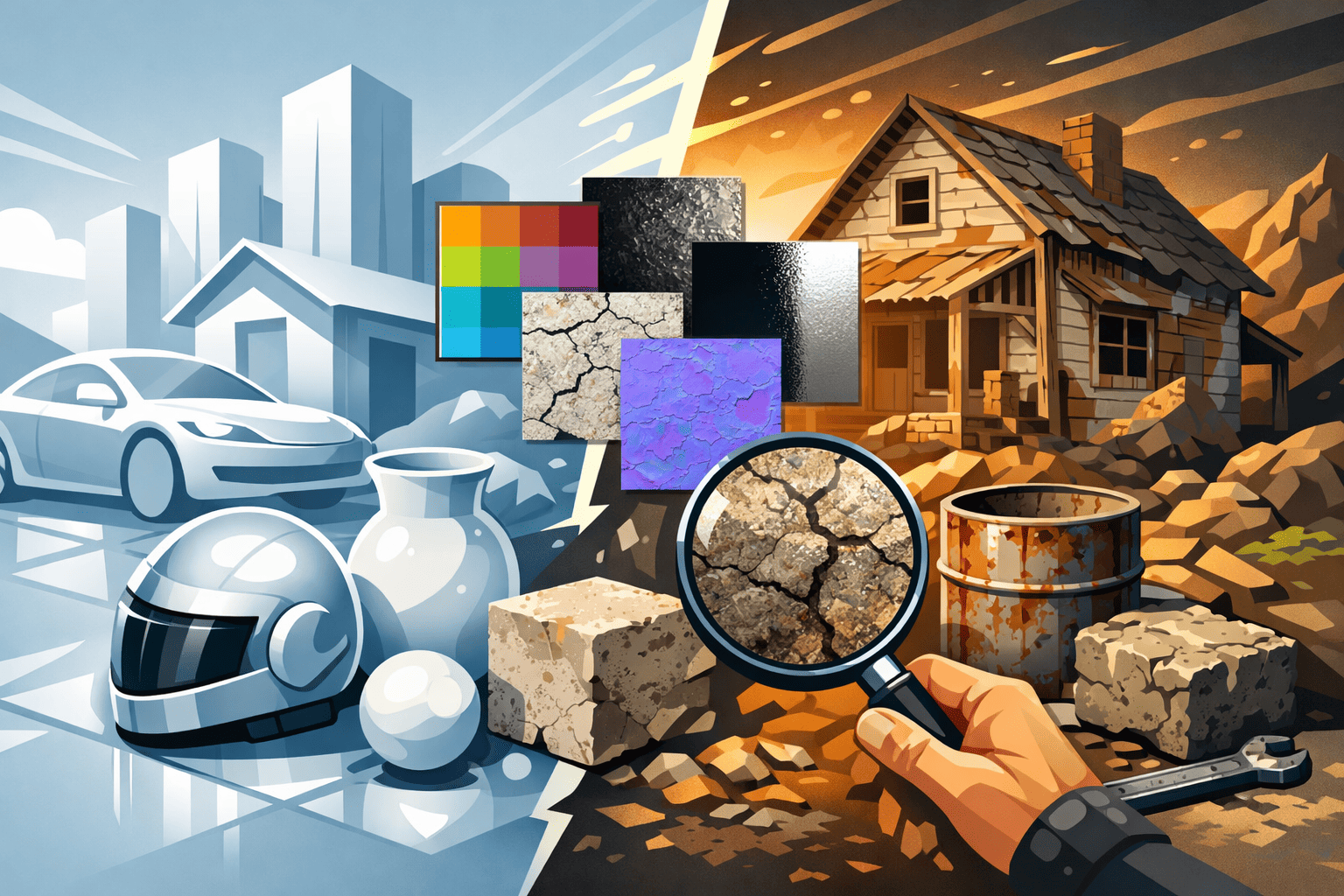
Mastering Light: Techniques for Evocative 3D Scene Illumination
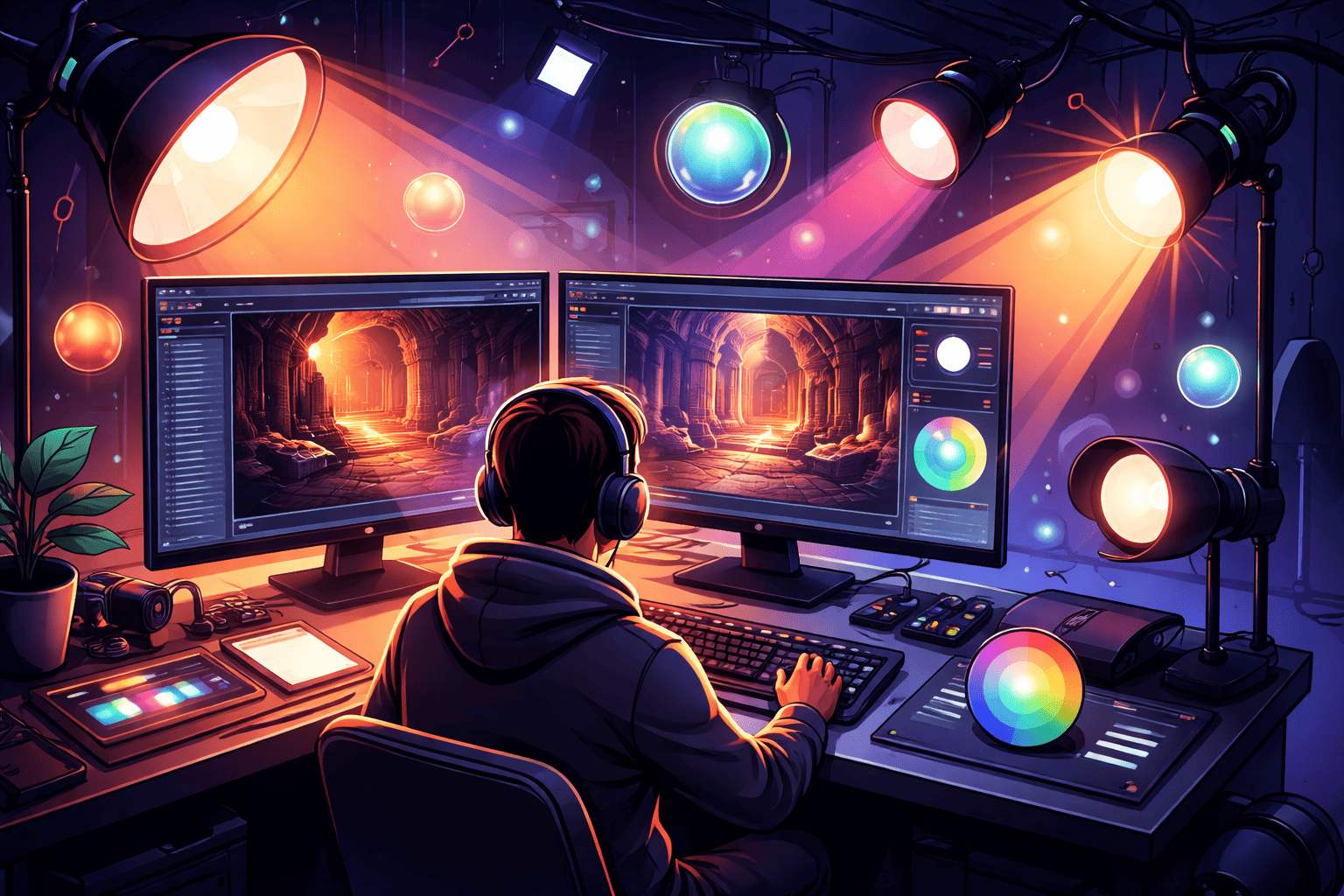
Mastering Light: Techniques for Evocative 3D Scene Illumination
Creating compelling 3D scenes critically depends on effective illumination. Many artists struggle with visuals appearing flat, artificial, or lacking emotional depth. The goal isn't just visibility; it's imbuing atmosphere, guiding the viewer's gaze, and conveying a powerful visual narrative. Without thoughtful lighting, detailed models fall short, diminishing overall impact.
A common pitfall is over-reliance on default lighting setups. These generic configurations rarely capture real-world light and shadow nuances. The result is often a sterile, uniformly lit environment, devoid of impactful highlights or defining shadows. This absence of artistic intent strips a scene of its unique character, failing to leave a memorable impression on the audience.
Poor illumination actively hinders visual storytelling. Details vanish in murky shadows or are washed out by harsh light. Textures appear flat. When light fails to define space and depth, environments feel artificial, breaking immersion. This disconnect prevents viewers from fully engaging with the crafted world, reducing its overall effectiveness.
Underlying Factors Affecting Scene Radiance
- Limited Light Physics Understanding: A gap in grasping light's direction, intensity, color, and surface interaction often leads to arbitrary placement, hindering strategic design and visual control.
- Over-reliance on Automated Tools: Sole dependence on automated lighting without manual artistic refinement often yields generic, uninspired results lacking unique vision.
Pathways to Luminous Mastery
1. Grasping the Core Principles of Illumination
Mastering scene lighting demands understanding fundamental light properties: direction, intensity, color temperature. Manipulating these grants precise control, moving beyond mere visibility to intentional atmosphere and mood. Practical application of key, fill, and rim lighting forms the backbone for effective scene illumination.
2. Employing Advanced Lighting Techniques
Leverage Global Illumination (GI) and Ambient Occlusion (AO) for realism. GI simulates indirect light bounces for natural illumination. AO adds subtle contact shadows, grounding objects for a believable, immersive experience.
Integrate High Dynamic Range Image (HDRI) environments. HDRIs capture real-world light data, providing accurate ambient illumination, reflections, and refractions. This makes objects seamlessly integrated, simplifying complex light rigs and enhancing visual fidelity.
3. Cultivating an Artistic and Iterative Approach
Develop strong artistic vision through rigorous reference gathering. Study light in real-world photography, paintings, and cinema for insights into mood, drama, and narrative. Analyzing how light defines form helps artists translate observations into 3D scenes. Blenza Reference Library considers this a crucial tool for inspiration.
Lighting demands continuous iteration. Embrace an experimental mindset: make small adjustments, render tests, and critically evaluate results. Seeking feedback provides fresh perspectives. This iterative loop ensures optimal contribution to the overall aesthetic and emotional impact, culminating in a finished piece.
Potential Challenges and Mitigation
- Over-complication of Light Setups: Too many light sources without clear purpose lead to visual clutter, confusing shadows, and increased rendering times. Recommendation: Start minimalist, add lights incrementally, and optimize parameters for efficiency.
- Unrealistic Expectations for Realism: Striving for absolute photorealism can be time-consuming and frustrating. Recommendation: Focus on believable, evocative lighting that enhances narrative and artistic vision, rather than perfect photographic accuracy.
Comments
Related Posts